

 Editor’s pick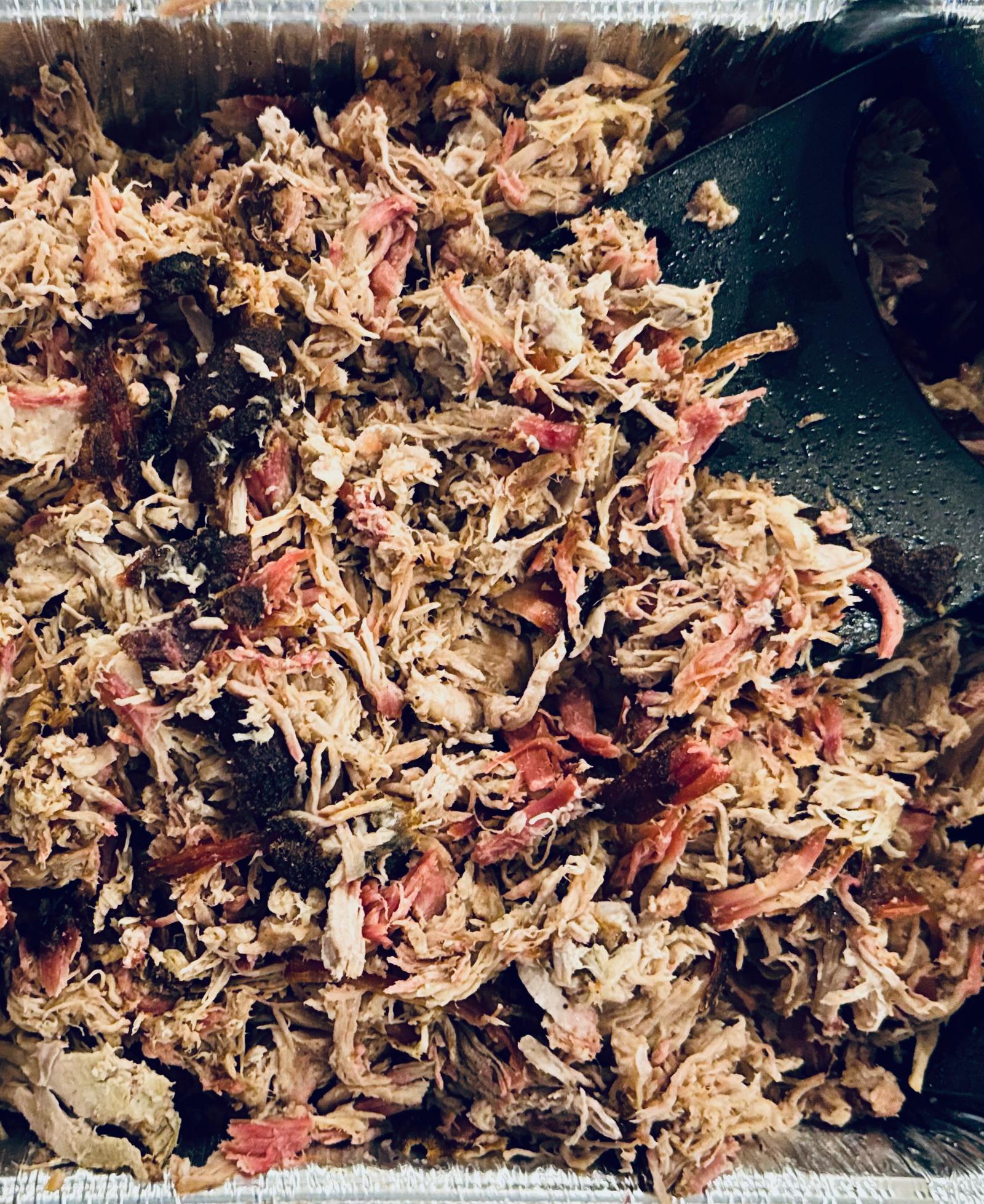
Chopped Pork Shoulder
Low and slow over charcoal until it pulls apart, brown bark full of flavor, and a spicy tomato vinegar bite that has you reaching for the slaw and a sweet dessert.
Recipe to cook
Hickory-Smoked Chopped Pork Shoulder, Lexington-Style
This is the cook Lexington built its name on: a whole shoulder over hickory coals, low and slow, until the bark is dark and the bone slides out clean. It is the version to learn first, because every other way of cooking this dish is a shortcut through it.
10 hrsCook Time
250°FPit Temp
Hickory, with oak to stretch itWood
200°FTarget Internal
MediumDifficulty
Gather
Ingredients
Everything you need, whichever way you cook it.
- 8–9 lb bone-in pork shoulder (Boston butt)
- Kosher salt (for the dry brine)
- 1/4 cup yellow mustard (binder)
- 1/2 cup Smoke City Pork Rub
- 1 cup apple cider vinegar
- 2 tbsp brown sugar
- 1 tsp cayenne
- 1 cup apple juice (spritz)
- Sandwich rolls, for serving
Before the pit
Prep
Start this the night before — the dry brine and the smoker both reward patience.
Dry-brine the shoulder with kosher salt at least 12 hours ahead, uncovered on a rack in the fridge.
Coat it in mustard, then pack on the rub until the surface disappears.
Pull it out an hour before the cook to take the chill off.
Low and slow, the Piedmont way
The Cook
A shoulder wants time more than it wants attention. Hold 250°F, feed the fire small and often, and let the meat tell you when it is done, not the clock.
Trim the shoulder the night before if you can. Take the fat cap down to about a quarter inch so the rub reaches meat and the bark can form, and cut away any loose flaps that will burn. Leave the bone in.
Season it all over with the rub from the ingredients list, working it into every crease. Lexington keeps this simple: salt and pepper do most of the work, and the dip does the rest at the table. Let it sit uncovered in the fridge overnight, or at least while the pit comes up.
Light the pit and bring it to a steady 250°F before the meat goes anywhere near it. On an offset, that means a clean-burning fire with thin blue smoke, not a billowing white one. Set a probe at grate level; the dome thermometer will lie to you by 25°F or more.
Set the shoulder fat side up, bone side toward the cooler end of the pit. Insert a leave-in probe into the thickest part of the meat, well away from the bone, and close the lid. Leave it alone for the first two hours.
Feed the fire small and often: a split or two every 45 minutes to an hour, added to the coals before the temp starts to fall. Chasing a dropped pit temp with a big load of wood is how you get bitter smoke and a stalled cook.
Spritz once the bark has set, usually around hour three, when the rub no longer smears under your finger. Cider vinegar cut with water, every hour or so. Skip it if the bark still looks wet; you will only wash the rub off.
Ride out the stall. Somewhere between 150°F and 170°F internal the temperature will sit still for an hour or two while the surface sweats. This is normal. Hold the pit at 250°F and wait it out; the bark gets its color here. If you would rather push through it, that is the Wrapped cook, one tab over.
Start probing for feel at 195°F. Pull it when an instant-read slides into the meat like it is going into warm butter and the bone wiggles loose, anywhere from 198°F to 205°F depending on the shoulder. Temperature gets you close; feel finishes it.
Rest it, wrapped in butcher paper, for at least 45 minutes and up to two hours in a dry cooler. Do not skip this. The juices that would run out on the board go back into the meat instead.
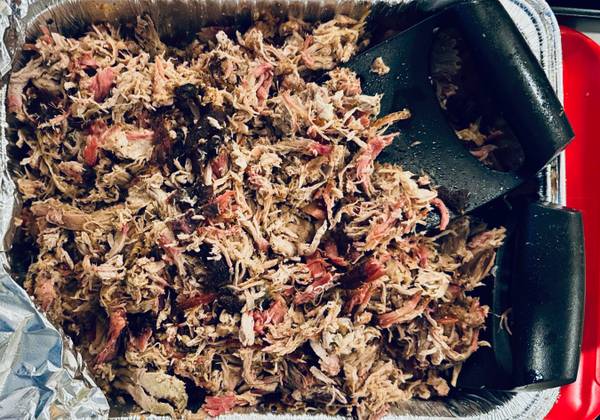
Pull the bone and chop. Break the shoulder into its muscles, discard any fat that did not render, and chop it on a board with a cleaver, bark folded through the whole pile. Lexington is chopped to a coarse mince, not pulled into strands; stop while you can still see pieces.
Dip and serve. Splash the warm Lexington dip over the chopped pork and toss it until it is moist but not wet, then serve it with more dip on the side and red slaw on top or beside. Taste as you go; a shoulder that rested well needs less dip than you think.
Bring it home
Finish & Serve
Pull it, sauce it light, and let people build their own plate.
Pull the pork with two forks or gloved hands, working the bark and rendered fat back through as you go.
Serve on rolls with a splash of vinegar sauce, or plain if the bark speaks for itself.
In this cook
Techniques & Methods
Every technique this cook uses — tap one to learn it.
- Smokeintermediate
Gear for this cook
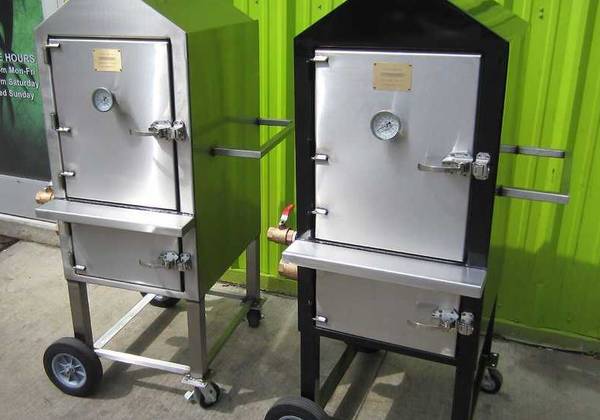
Smoked Setup
Keep cooking
Related Recipes
More ways to run this dish, and dishes that cook like it.
You cooked it
Log this cook
Save this cook to your history and keep your notes in one place.

Track every cook and dial in your pit.
Sign in to log this cook, keep your notes, and build your cook history.
Notes
Track every cook and dial in your pit.
Sign in to log this cook, keep your notes, and build your cook history.
From the community
Cook photos
See how the community pulled it off — then add your own.
Be the first to show your cook.
Talk it out
Discussion
Questions, tweaks, and results from cooks who have made this.
Start the conversation — be the first to talk through this cook.
Sign in to join the conversation.
Free to join — and everything stays free to read.